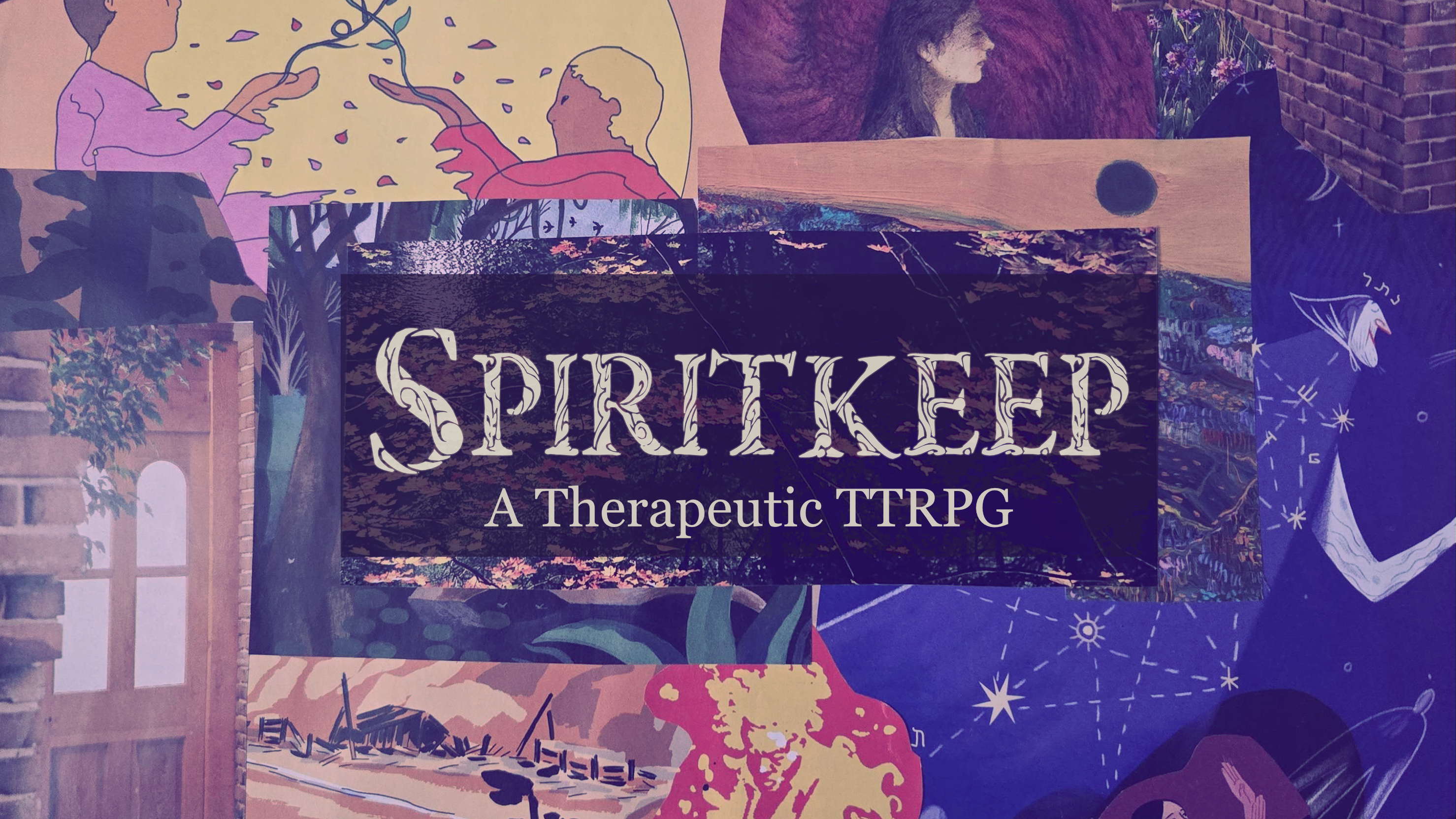
Spiritkeep is the biggest project from Psychhound games yet – a multiplayer, campaign-length TTRPG designed to help players heal from trauma through play.
Spiritkeep is an upcoming community restoration game where the player characters comprise a special taskforce undertaking missions to heal their dying town. Ranging from diplomacy, intelligence gathering, recruiting allies, stopping ecological damage, acquiring resources, seeking boons from powerful spirits, and much more, this group of lost souls are on their journey together. No matter their reason for joining the taskforce, there is no giving up until this place can be a home.
The designer, Luka Brave, focused his master’s thesis around the design of Spiritkeep. “Designing Spiritkeep: A new text to harness the emotional benefits of the therapeutically applied role-playing game genre” focused around the emotional and social benefits of TTRPGs, their current use in therapy, traits of ideal therapeutic RPGs as defined by community experts, and analysis of currently published TTRPGs. The result was the bones of a brand new TTRPG, designed from the ground-up to harness the power of therapeutic play and help players heal from complex trauma.
You can read the thesis for free here.
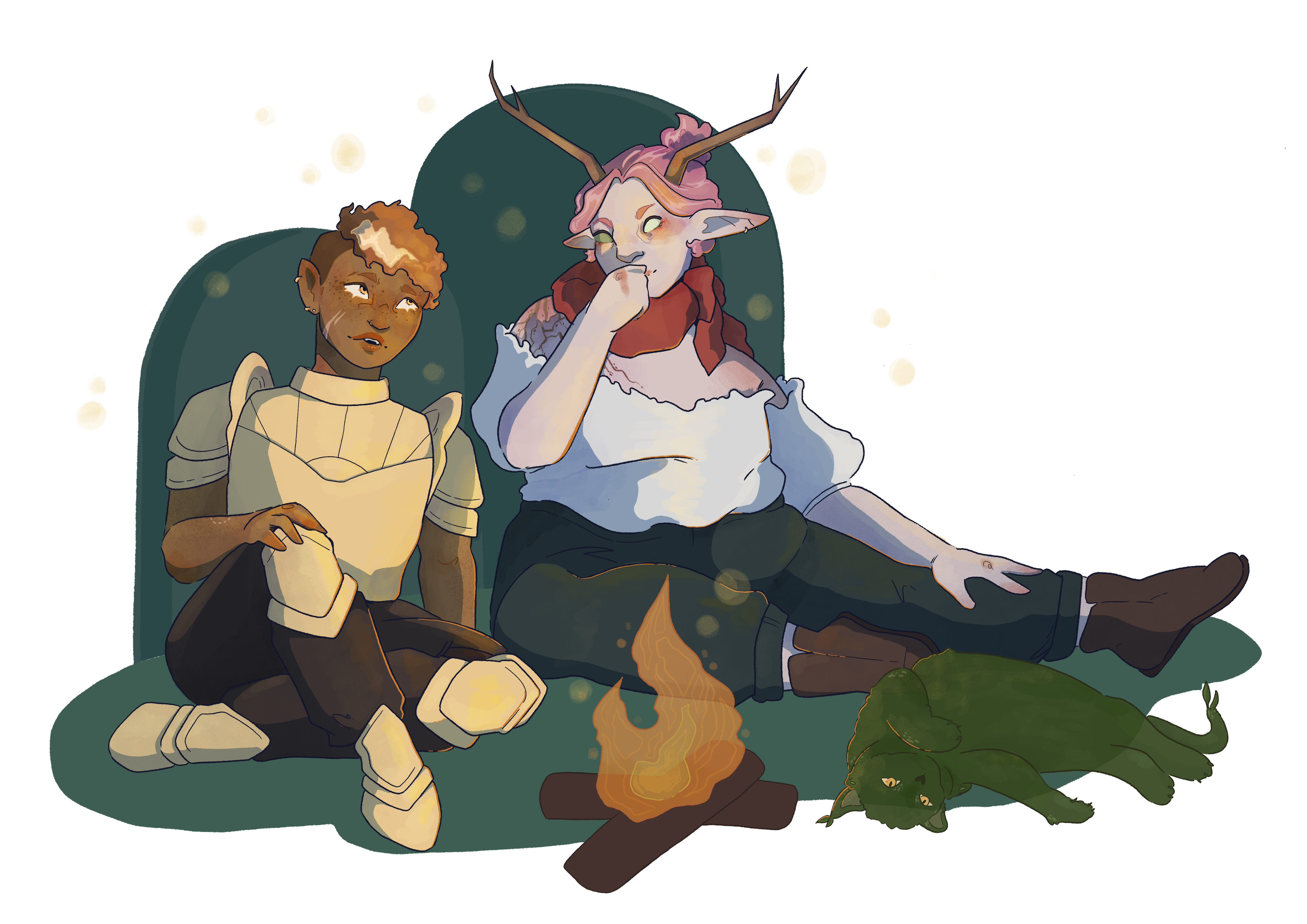
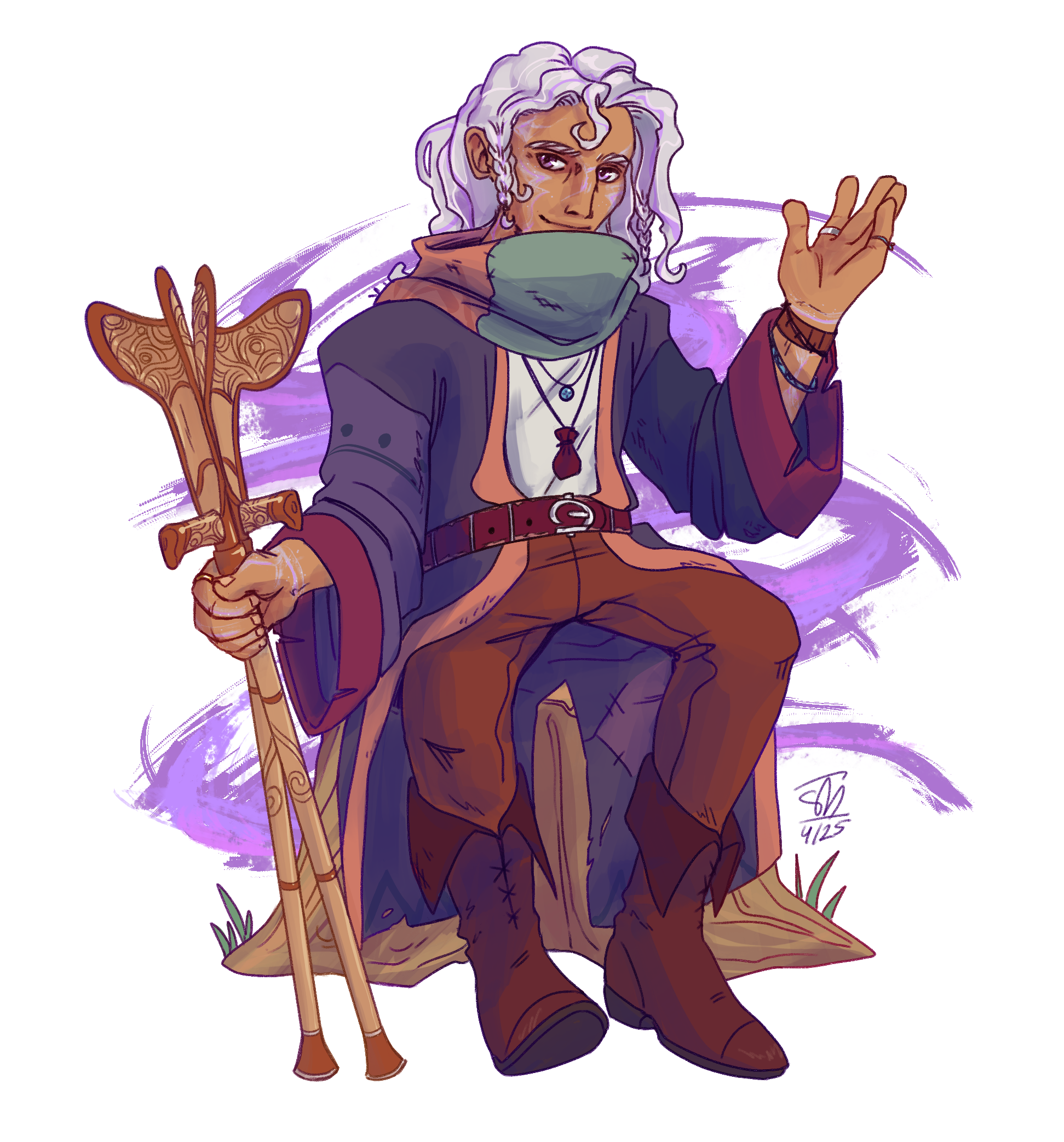
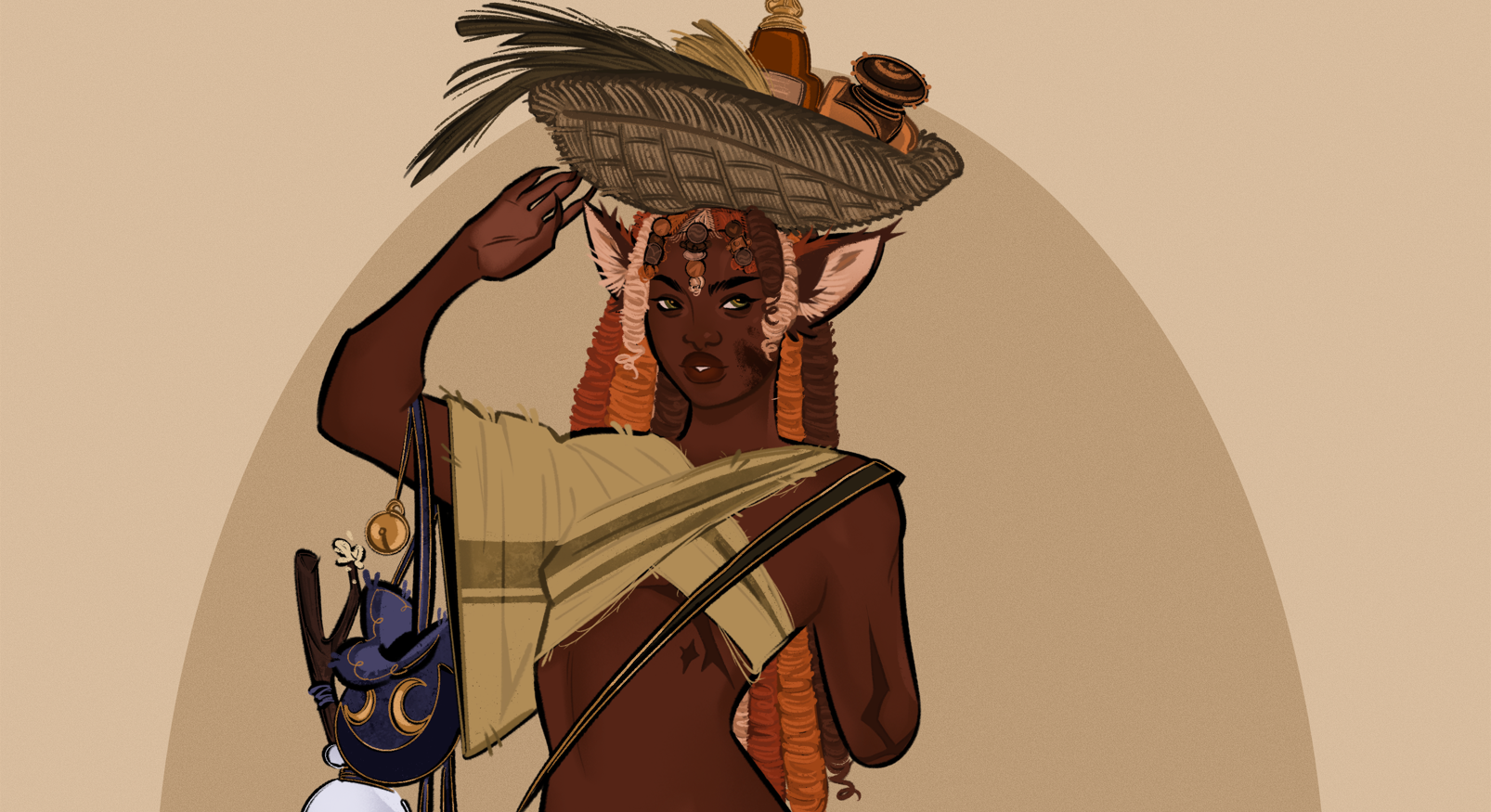
Player characters in Spiritkeep are based on storybook tropes. Their Aspect defines the role they play in the story. Are you a Knight or a Shepherd? A Revolutionary or a Ghost? A Damsel or a Trickster? Out of 18 total options, your choice gives you abilities called Keywords that shape how you interact with the mechanics and the world around you.
Though almost everyone in Spiritkeep is human, humans in this world are diverse and often magical. You probably come from one of several Lineages that have been bound to the magic of the world by one of the many kinds of spirits that live around you. Sunfolk burn bright, but must be careful not to hurt others. Animalfolk have been blessed – or cursed – with the traits of predators and prey. You might also come from a mixed Lineage, which means there are over 500 possible combinations of Aspects and Lineages to play as.
Players work collaboratively to build the world and its local societies and cultures before designing the town they’re fighting to restore. But, in this game, the world is always animist, full of nature, and full of many kinds of spirits. You may seek help from the great spirit of the mountain … or the meek house spirit who lives in the fireplace. A human-like spirit may accompany your party to help during a journey … or you may struggle with the nightmare of a violent spirit beyond your comprehension.
Through it all, you must take care of your own personal spirit, through which you can unlock memories, heal from harm, gain boons and character advancements, and even change your role in the story.
Players interact with the mechanics using a full set of dice, rolled in pairs. From 4-sided dice to 12-sided dice, choosing which dice to roll indicates the level of effort your character is putting into their action. Larger dice are a limited resource gained through rolling smaller ones, meaning you have to pace yourself and learn from failure to have a better chance to succeed later. However, consistently putting all your effort into actions can lead to Burnout, which leads to Conditions, which leads to Breakdowns … potentially harming yourself or the mission.
Your character’s stats, rather than representing concrete skills, indicate various strategies you can take to overcome a challenge. Your stats represent how you think, how you embody yourself in the world, and what you value, and are also added in pairs. There are no good or bad stats to have, only different strategies helpful in different contexts. Will you roll Gentle + Tactful to sway the nervous princess to your side? Or will you need to roll Grounded + Hardy to safely weather the sudden storm?
Game masters are supported in Spiritkeep with varying levels of NPC creation, lists of prompts, roll tables for missions and complications, and a large amount of guidance on running the game. GMs have a lot of agency over the story without pre-defining the narrative or character arcs, guided by the players’ collaborative worldbuilding as well as prompts and questions built into the PCs’ playbooks.
The game is designed based on scholarship from trauma-, play therapy-, disability-, and therapeutically applied TTRPG experts. The designer, Luka Brave, has a master’s degree in Writing Studies and Educational Psychology with a focus in Game Studies, as well as a work history in neurodivergent-focused social work, disability advocacy, and community service.
You can read more about Spiritkeep in the thesis, including a sample character sheet and hypothetical sample session, or check out Psychhound’s current catalogue of games on Itch.
Interested in collaborating?
You can reach out to Luka with questions, or offers of collaboration, sponsorship, or publication at luka@psychhound.com.
If you’re an artist who wants to work on Spiritkeep, please fill out this artist interest form and include your portfolio. Psychhound Games uses only human-made creations, not those artificially generated by a computer.

 Psychhound Games